 Hanoi Packers Movers Provide Packing Moving Service, Door to Door Delivery in Hanoi, Vietnam

10 Common Moving Mistakes Expats Make in Vietnam
Moving to a new home in Vietnam can be exciting, but without proper preparation, moving day can quickly become stressful. For expats, moving in Vietnam can involve a few challenges that may be different from moving in other countries, including apartment building rules, elevator reservations, narrow streets, truck access, parking restrictions, and furniture handling.
Whether you are moving within Hanoi, Ho Chi Minh City, Da Nang, or another city in Vietnam, avoiding these common mistakes can help make your relocation smoother, safer, and more predictable.
Here are 10 common moving mistakes expats make in Vietnam — and how to avoid them.
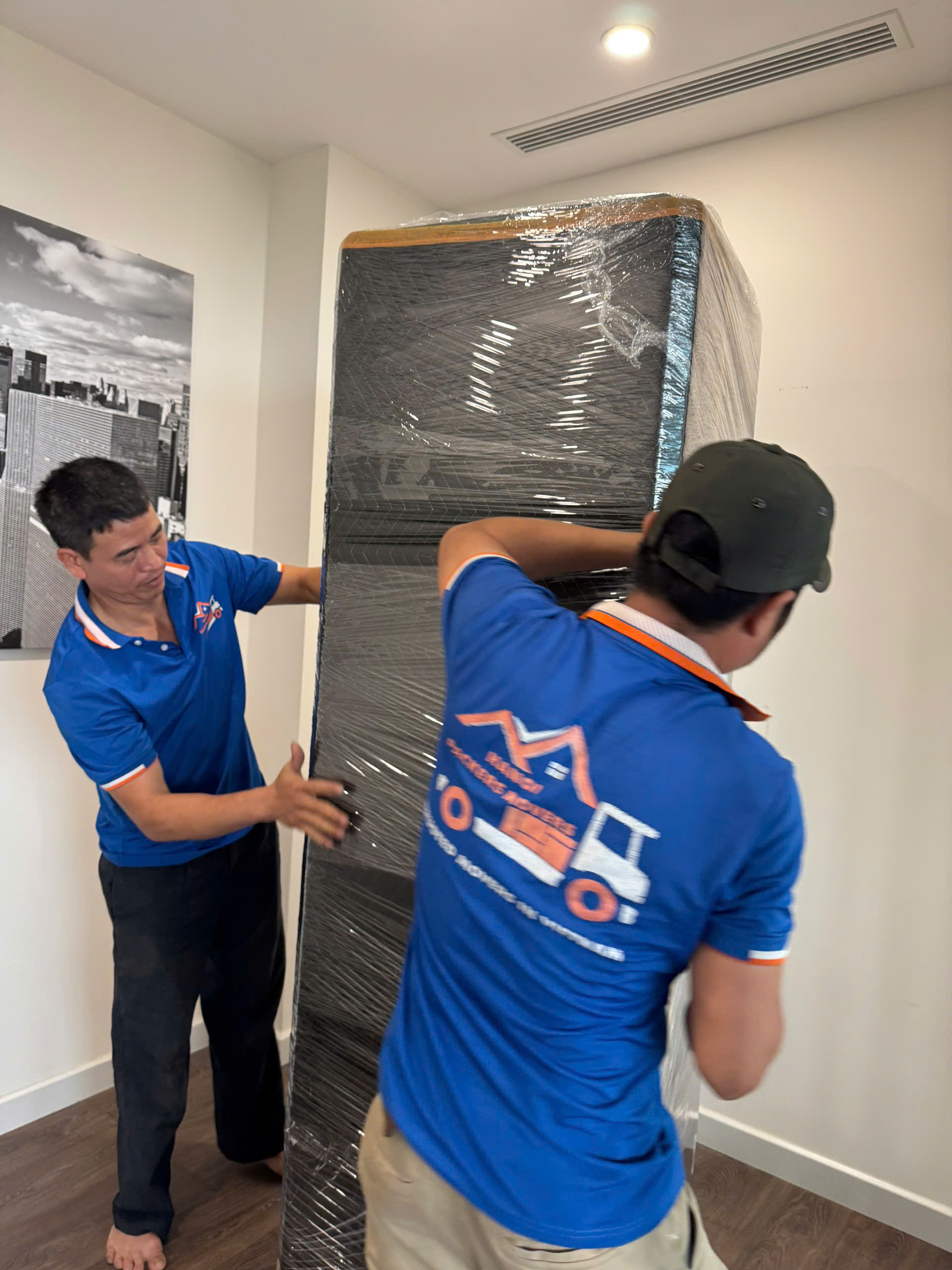
1. Booking Movers Too Late
One of the most common moving mistakes is waiting until the last minute to book a moving company.
Moving dates can become particularly busy during weekends, at the end of the month, public holidays, and periods when many rental contracts expire.
Waiting too long may result in:
- Limited moving dates
- Fewer available moving crews
- Difficulty arranging a suitable truck
- Problems booking elevators
- Less time to prepare and pack your belongings
How to Avoid It
Contact a moving company as early as possible, especially if you are moving a large apartment, villa, or office.
For larger relocations, an early onsite survey can also help determine the volume of belongings, furniture requirements, access conditions, packing needs, and estimated labor.
2. Not Checking Apartment Elevator Rules
Many apartments and condominium buildings in Vietnam have specific rules for moving furniture in or out.
Some buildings may require residents to:
- Reserve a service elevator
- Register the moving company
- Provide the moving date and time
- Use protective materials inside the elevator
- Follow specific moving hours
- Provide truck or vehicle information to building management
If these requirements are not confirmed in advance, movers may arrive but be unable to start immediately.
How to Avoid It
Before moving day, contact your building management or landlord and ask about the requirements for moving furniture.
Confirm:
- Elevator reservation
- Permitted moving hours
- Parking or loading area
- Registration requirements
- Security procedures
This simple step can help prevent unnecessary delays.
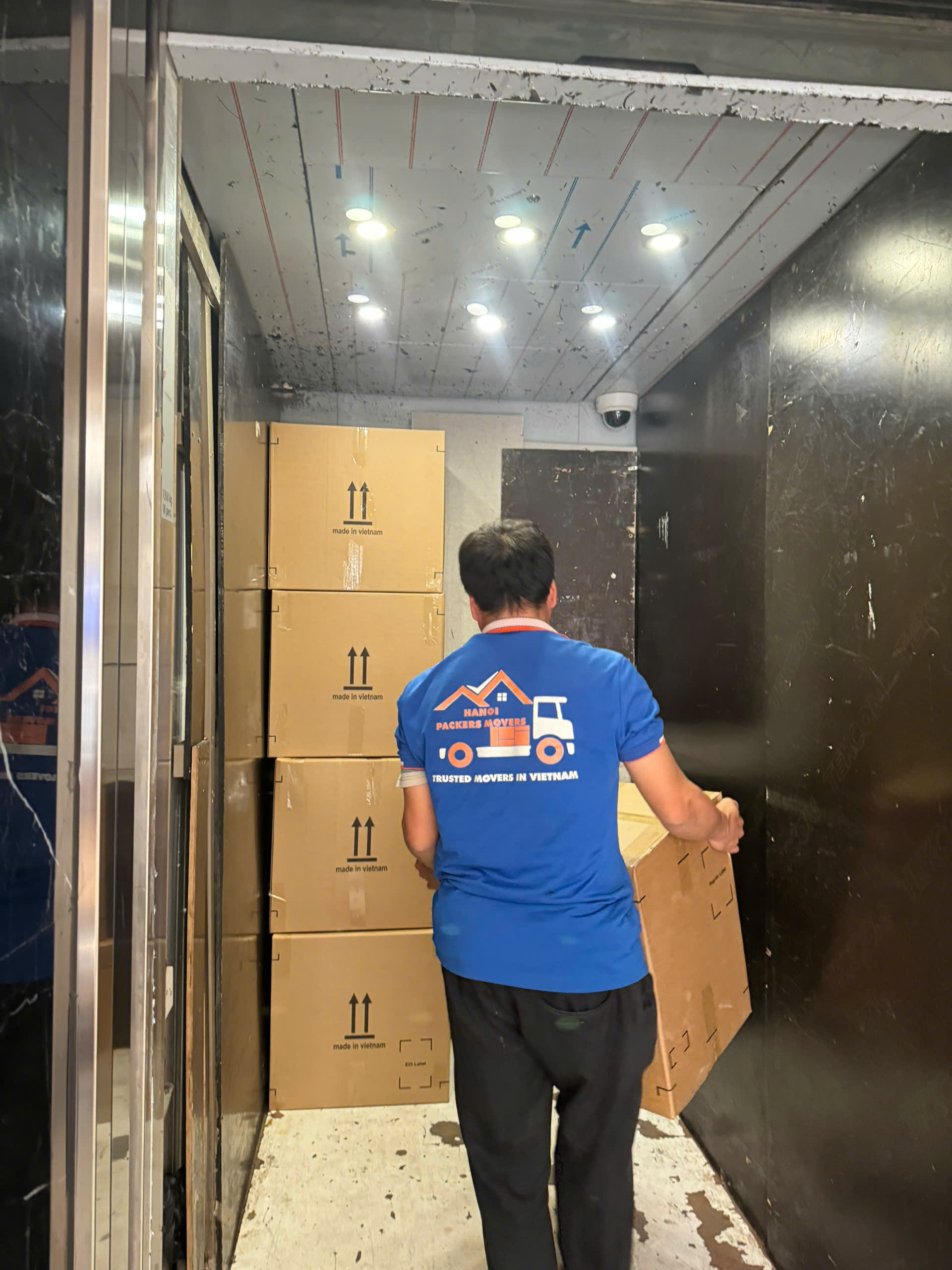
3. Underestimating the Volume of Your Belongings
Many people think they only have a few boxes until everything is packed.
Furniture, kitchen equipment, clothes, books, decorations, appliances, and personal belongings can quickly add up.
This is particularly common when moving from a furnished apartment or house.
The actual volume of belongings can affect:
- Truck size
- Number of movers
- Packing materials
- Loading time
- Transportation requirements
How to Avoid It
Do not estimate your move based only on the number of boxes.
Make a list of your larger items, such as:
- Sofa
- Beds
- Wardrobes
- Dining tables
- Office desks
- Refrigerators
- Washing machines
- TVs
- Shelving units
- Large appliances
Photos or videos of your belongings can also help movers estimate the volume more accurately.
4. Not Measuring Large Furniture Before Moving
A sofa or wardrobe may fit perfectly in your current home but may not fit through the doors, corridors, elevator, or staircase at your new property.
This can create unexpected problems on moving day.
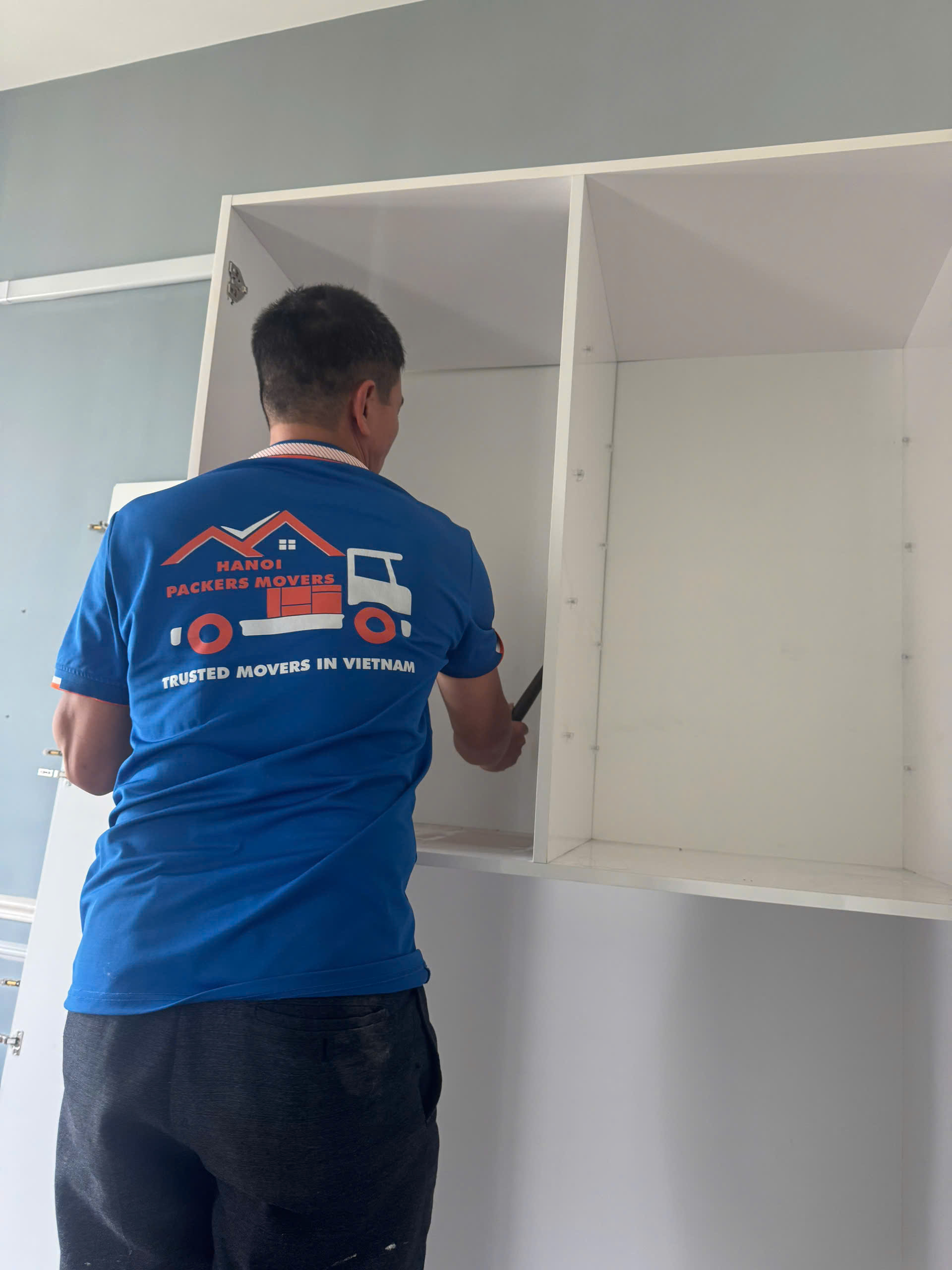
Large furniture may need to be dismantled before transportation and reassembled at the destination.
How to Avoid It
Measure large furniture before moving, especially:
- Sofas
- Beds
- Wardrobes
- Large cabinets
- Dining tables
- Office desks
- Shelving systems
Also consider the dimensions of:
- Doorways
- Corridors
- Elevators
- Staircases
If you are unsure whether a large item can be moved safely, send photos and dimensions to your moving company before moving day.
5. Packing Fragile Items Incorrectly
Fragile belongings require more protection than ordinary household items.
Glassware, ceramics, mirrors, artwork, electronics, and decorative items can be easily damaged if they are placed in boxes without sufficient internal protection.
The risk can be even greater during long-distance moving in Vietnam, where belongings may experience additional vibration and handling during transportation.

How to Avoid It
Use appropriate packing materials depending on the type and sensitivity of each item, including:
- Bubble wrap
- Packing paper
- Foam sheets
- Cardboard protection
- Reinforced carton boxes
- Moving blankets
- PE wrapping film
For valuable or particularly fragile belongings, consider professional packing and additional protection.
Do not simply put fragile items into a carton box and assume they will be safe.
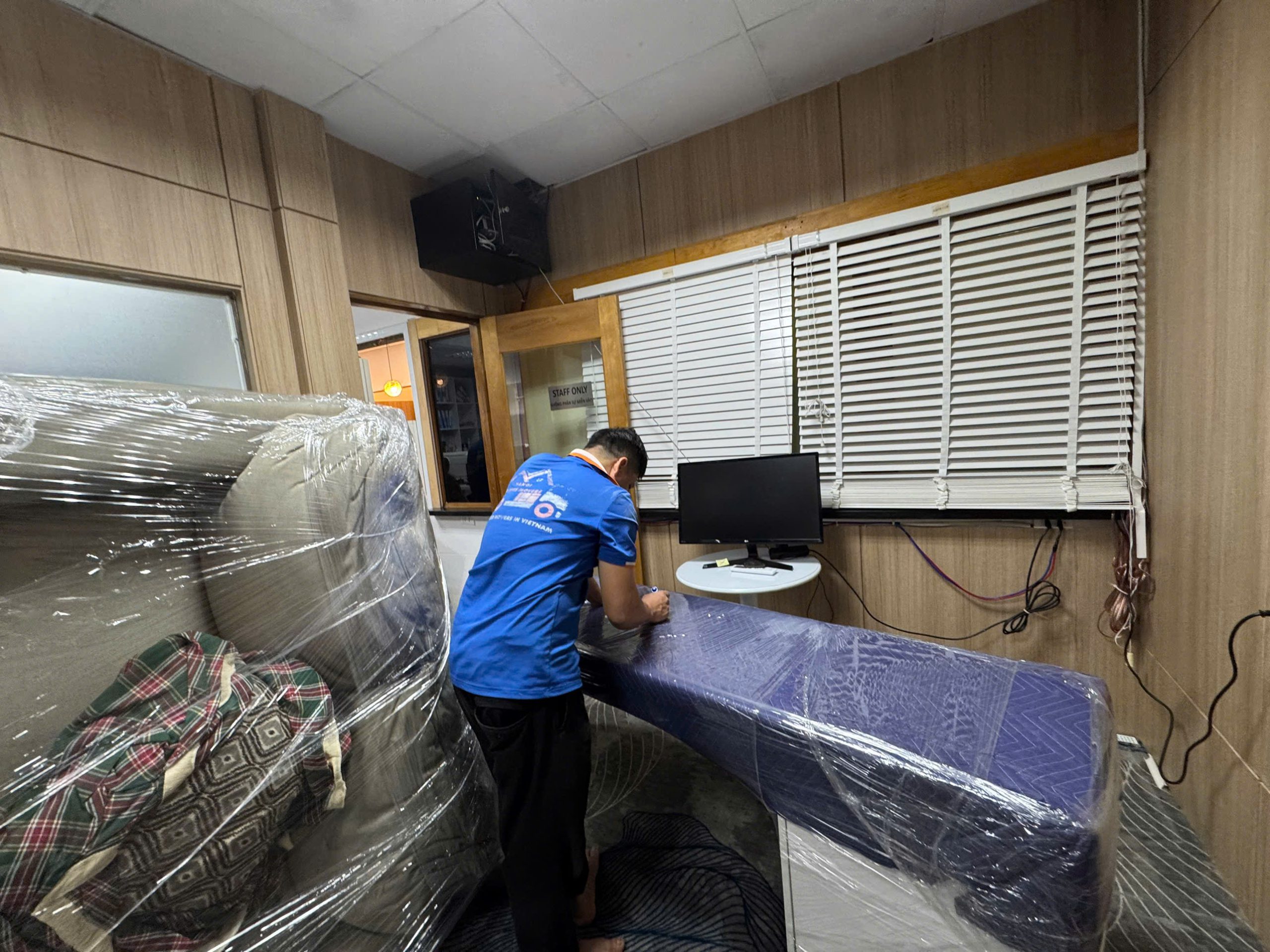
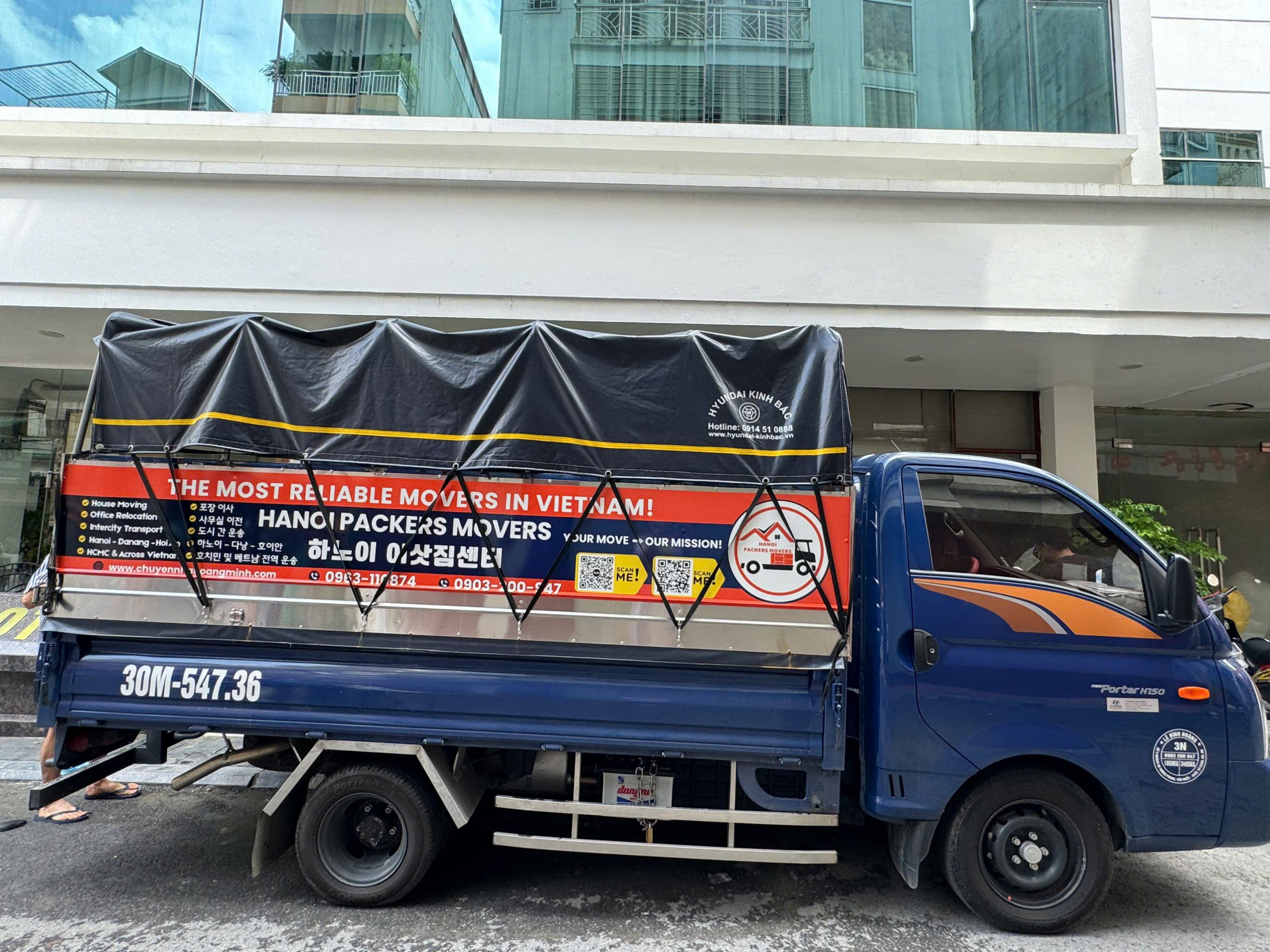
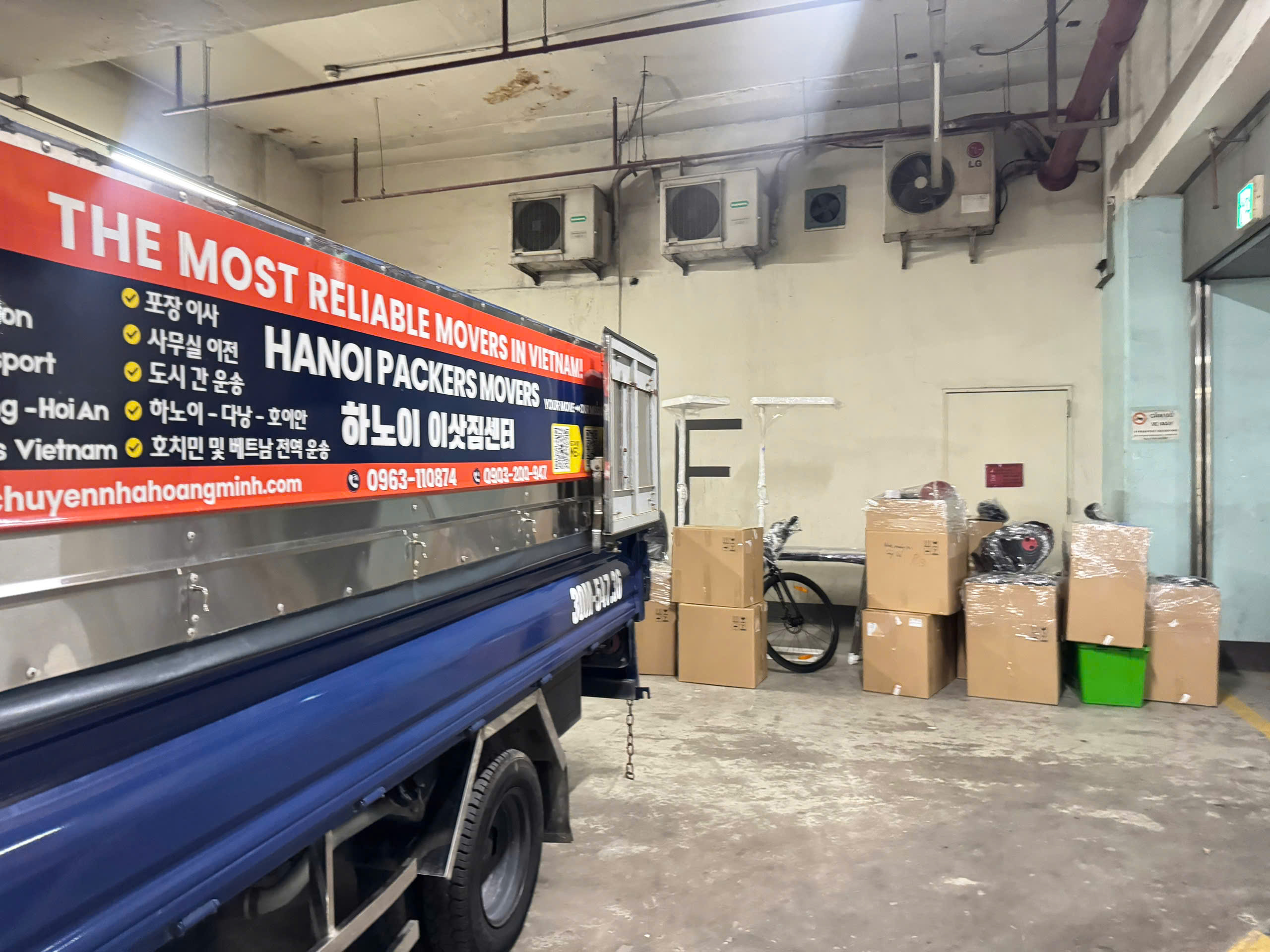
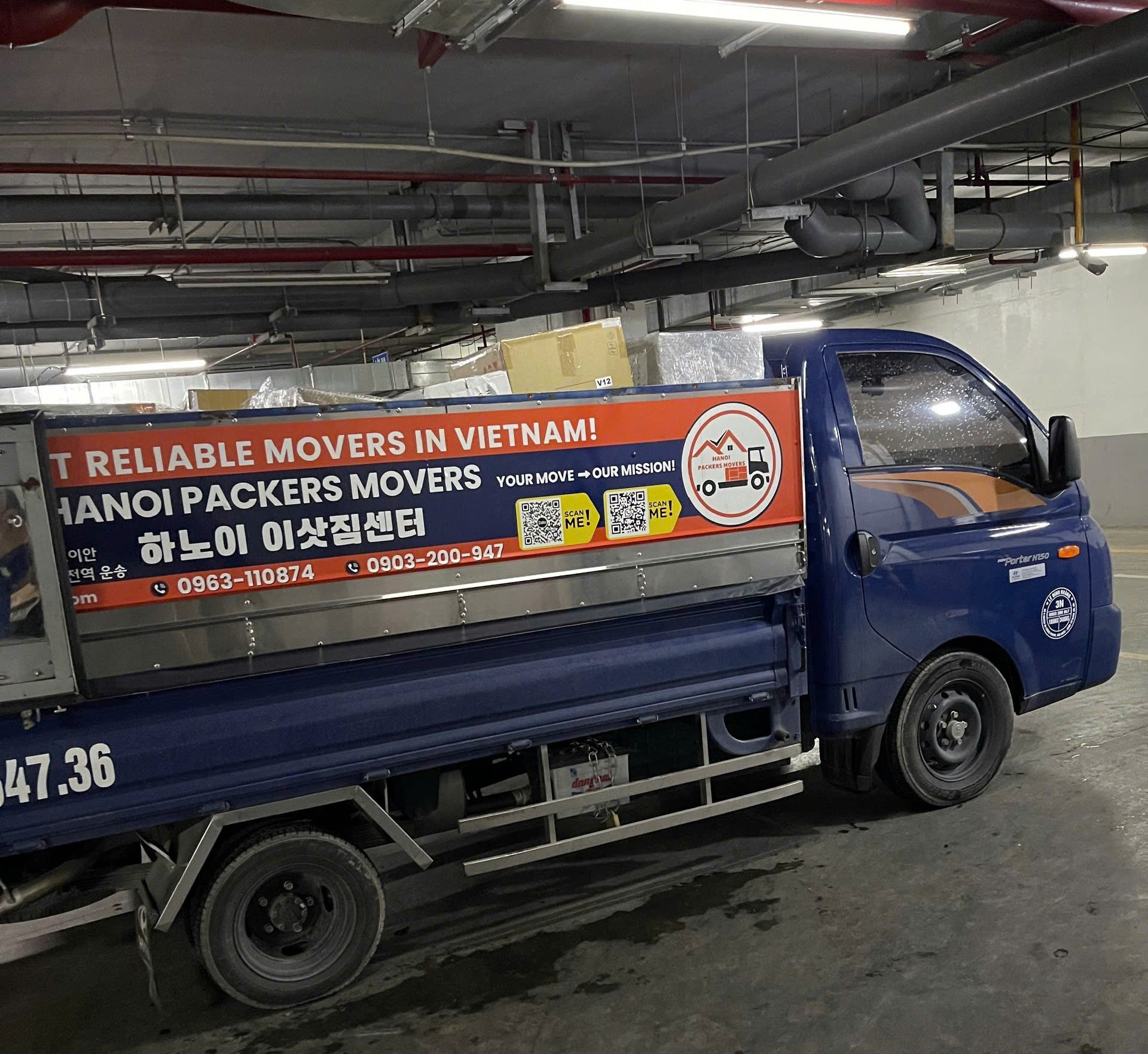
6. Not Checking Truck Access
A moving truck may not always be able to park directly in front of your home or apartment building.
This can happen because of:
- Narrow streets
- Small alleys
- Underground parking
- Traffic restrictions
- Low-clearance entrances
- Limited loading areas
- Building access restrictions
When the truck cannot park close to the building, movers may have to carry furniture and boxes over a longer distance.
This can increase the time and labor required for the move.
How to Avoid It
Before confirming your moving date, provide your moving company with the exact pickup and delivery addresses.
If possible, send photos or videos showing:
- Building entrance
- Street access
- Parking area
- Loading area
- Basement entrance
- Elevator access
This allows the moving team to prepare for the actual site conditions.
7. Forgetting to Reserve Parking or a Loading Area
Even when a truck can physically reach your building, there may not be a suitable place for it to stop and load or unload.
This can cause delays, especially in busy apartment complexes and central areas of Hanoi or Ho Chi Minh City.
Some buildings may require residents to coordinate with management before a moving truck arrives.
How to Avoid It
Ask your building management or landlord whether a moving truck needs:
- Parking permission
- A reserved loading area
- Vehicle registration
- A specific arrival time
- Security clearance
Confirm these details before moving day rather than waiting until the truck arrives.
8. Not Photographing Valuable or Delicate Items Before Moving
Before movers begin packing, it is a good idea to photograph valuable or delicate belongings.
This can include:
- TVs and electronics
- Artwork
- Glass furniture
- Antiques
- Musical instruments
- High-value appliances
- Designer furniture
Photos provide a simple record of the item’s condition before transportation.
How to Avoid It
Take clear photos or short videos of valuable items before they are packed.
For electronic equipment, you may also want to photograph the connections and cables before they are disconnected.
Keep these photos until the move has been completed and the items have been checked at the destination.
9. Choosing a Moving Company Based Only on Price
The cheapest quotation is not always the best value.
Moving companies may offer different levels of:
- Packing
- Furniture protection
- Labor
- Truck capacity
- Dismantling and assembly
- Loading and unloading
- Unpacking
- Special-item handling
A low starting price may not include services that you actually need.
How to Avoid It
When comparing moving companies, do not look only at the starting price.
Ask what is included in the quotation and check:
- Number of movers
- Truck size
- Packing materials
- Furniture protection
- Dismantling and assembly
- Loading and unloading
- Unpacking
- Additional charges for stairs or difficult access
- Special handling requirements
A clear and detailed quotation of moving cost is usually more useful than simply choosing the suitable price.
10. Not Confirming What Is Included in the Moving Service
Another common mistake is assuming that a “moving service” automatically includes everything.
For example, some customers may expect movers to:
- Pack all belongings
- Dismantle furniture
- Wrap furniture
- Unpack everything
- Arrange furniture
- Remove packing materials
However, different moving packages may include different services.
For example, a transport-only service may require the customer to pack their own belongings, while a full-service move may include packing, transportation, unloading, unpacking, and arrangement.
How to Avoid It
Before confirming your booking, ask the moving company:
What is included and what is not included in the quotation?
Make sure the final quotation or contract clearly states:
- Moving date
- Pickup and delivery locations
- Number of workers
- Truck and transportation
- Packing services
- Furniture protection
- Dismantling and assembly
- Loading and unloading
- Unpacking or arrangement
- Any additional charges
A clear quotation helps both the customer and moving company avoid misunderstandings on moving day.
Moving Checklist for Expats in Vietnam
Before moving day, take a few minutes to confirm the following:
- Confirm the moving date and arrival time
- Check elevator reservation requirements
- Confirm building management rules
- Check truck access and parking
- Estimate the volume of belongings
- Measure large furniture
- Identify fragile and valuable items
- Confirm packing requirements
- Confirm furniture dismantling and assembly
- Check exactly what is included in the quotation
A little preparation can prevent many common moving problems and make your relocation much smoother.
Moving in Vietnam: What Should Expats Remember?
The biggest moving mistakes are often not related to the transportation itself. They usually happen because important details are not confirmed before moving day.
Checking building rules, elevator access, parking, furniture dimensions, packing requirements, and the exact scope of the moving service can help prevent delays and unexpected costs.
For long-distance moves, it is also important to provide accurate information about your belongings and route so that the moving company can calculate the transportation and labor requirements correctly.
Need Help With Your Move in Vietnam?
Whether you are moving within Hanoi, Ho Chi Minh City, Da Nang, or another city, or relocating between provinces, Hanoi Packers Movers provides professional moving solutions for expatriates, families, and businesses.
Our services can include:
- Professional packing
- Furniture protection
- Loading and unloading
- Furniture dismantling and assembly
- Local moving
- Inter-city and long-distance moving
- Office relocation
- Special-item handling
For an accurate quotation, you can request a free onsite survey or send photos/videos of your belongings for an online quotation.
Contact Hanoi Packers Movers today for a personalized moving quotation and a safer, more organized relocation in Vietnam.
Frequently Asked Questions
How far in advance should I book movers in Vietnam?
It is recommended to contact a moving company as early as possible, especially for large moves, weekend relocations, end-of-month moves, or moves that require elevator and building management arrangements.
Do I need to reserve an elevator when moving in Vietnam?
Many apartment and condominium buildings have specific moving procedures, including elevator reservations and permitted moving hours. Always check with your building management before moving day.
How can I get an accurate moving quotation in Vietnam?
You can request a free onsite survey or send photos and videos of your belongings for an online quotation. The quotation may depend on the volume of belongings, furniture, access conditions, packing requirements, labor, and transportation.
Should I choose the cheapest moving company?
Not necessarily. Compare what each quotation includes, including packing, furniture protection, labor, truck transportation, dismantling, unloading, and other services. A detailed quotation can help you avoid unexpected additional costs.
Can movers in Vietnam pack and dismantle furniture?
Yes. Professional moving companies may provide packing, furniture dismantling and assembly, protective wrapping, loading, unloading, unpacking, and arrangement depending on the service package selected.