 Hanoi Packers Movers Provide Packing Moving Service, Door to Door Delivery in Hanoi, Vietnam

How to Pack Household Items for Moving: Fragile Items, Appliances & Furniture
Moving to a new home can be exciting, but packing your belongings safely takes careful planning. Fragile dishes, glasses, coffee machines, televisions, refrigerators, washing machines, furniture, mirrors and artwork all require different types of protection.
The right packing method also depends on how far you are moving.
For a local move within the city, packing paper is practical for fragile household items, while moving blankets are especially useful for furniture and large household items.
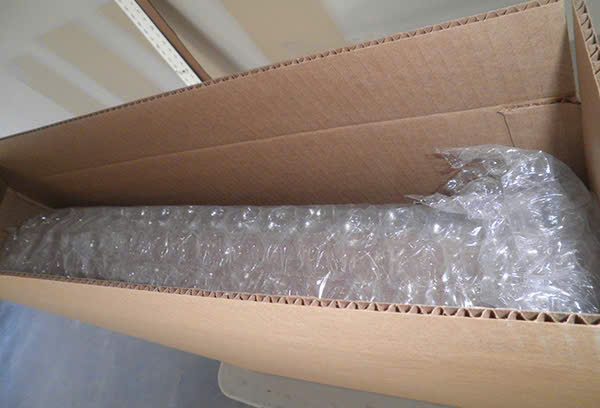
For a long-distance or interprovincial move, items need stronger protection because they may be exposed to longer transportation, road vibration, friction, movement and additional handling. Bubble wrap, foam sheets and thick cardboard provide additional protection for fragile belongings and furniture.
This guide explains how to pack household items for moving, including practical packing methods for both local and long-distance moves.

Local vs. Long-Distance Moving: Which Packing Method Should You Use?
The packing method should be based on two main factors:
- The type of item being packed.
- The distance it needs to travel.
There is no single packing material that is suitable for every household item.
Packing for a Local City Move
For a local move within the same city, the main goal is to protect belongings from scratches, minor impacts and damage during carrying, loading, transportation and unloading.
Common packing materials include:
- Packing paper
- Strong moving boxes
- Moving blankets
- Packing tape
- Stretch film
- Labels
Packing paper is useful for plates, bowls, cups, glasses and other small fragile items.
Moving blankets are particularly useful for furniture and large household items such as sofas, tables, wardrobes, cabinets, beds and large appliances.

Packing for a Long-Distance or Interprovincial Move
Long-distance transportation requires additional protection because belongings may experience more road vibration, movement, friction and repeated handling.
Common materials include:
- Bubble wrap
- Foam sheets
- Thick cardboard sheets
- Strong cartons
- Packing tape
- Stretch film
- Corner protection where necessary
For furniture, thick cardboard sheets can be used to protect the main surfaces, edges, corners and legs.
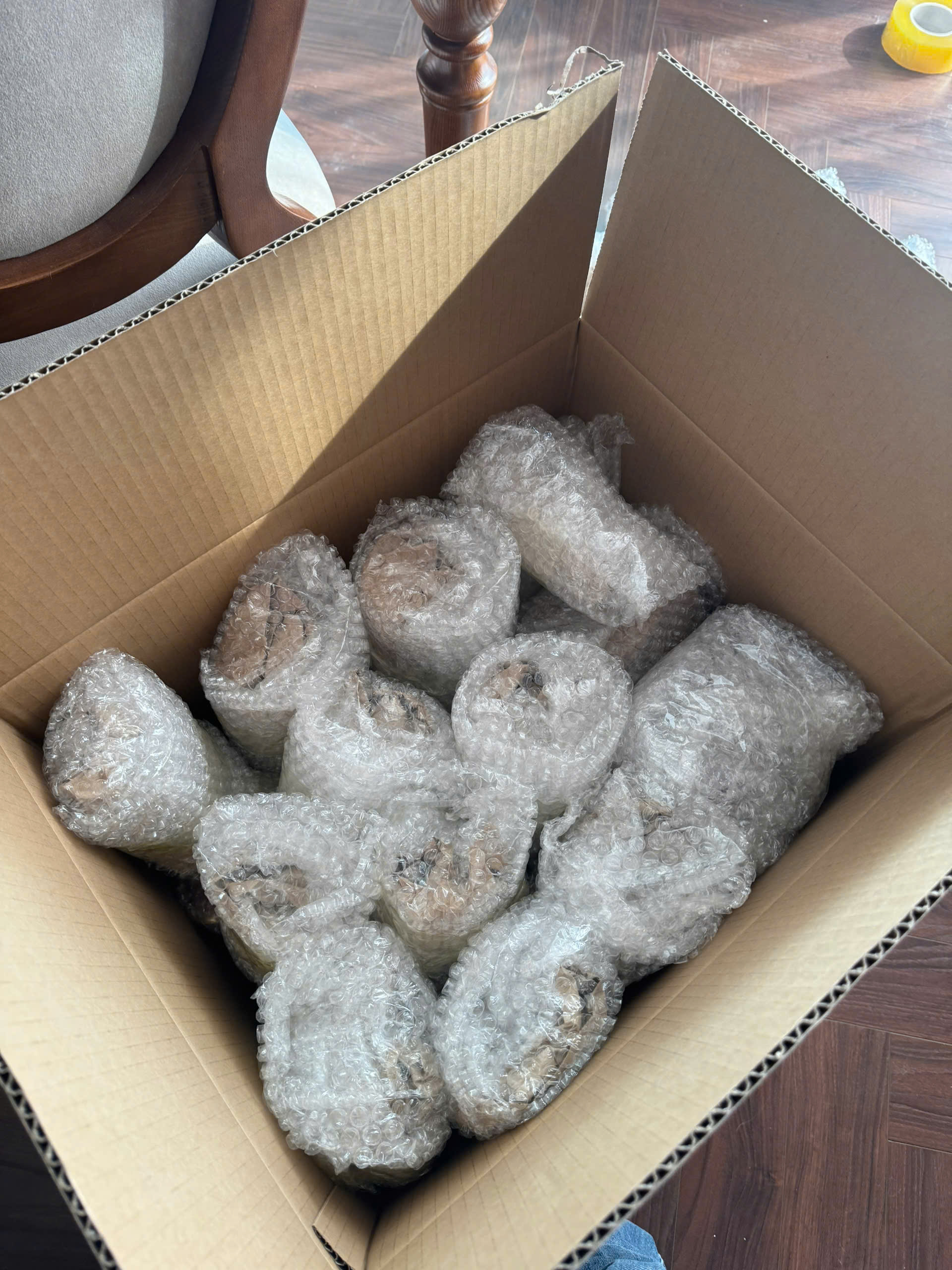
For fragile household items, bubble wrap and foam provide cushioning, while cardboard provides a stronger outer layer of protection.
A Simple Packing Rule to Remember
Local move: Packing paper + moving blankets
Long-distance move: Bubble wrap + foam sheets + thick cardboard
However, this is a practical guide rather than a rigid formula. Not every item needs every material. The amount of protection should always be adjusted according to the item’s size, material, fragility and value.
Essential Packing Materials for Moving
Before you start packing, prepare the right materials for the items you are moving.
Packing Paper
Packing paper is ideal for wrapping:
- Plates
- Bowls
- Cups
- Glasses
- Ceramics
- Small decorative items
Each fragile item should be wrapped individually.
Moving Blankets
Moving blankets are particularly useful for local city moves.
They can protect:
- Sofas
- Tables
- Chairs
- Beds
- Wardrobes
- Cabinets
- Wooden furniture
- Large appliances
Moving blankets provide a soft protective layer that helps reduce scratches and minor surface damage during carrying, loading and unloading.
Bubble Wrap
Bubble wrap provides cushioning for fragile belongings, especially during long-distance transportation.
It can be useful for:
- Glassware
- Electronics
- Mirrors
- Small appliances
- Decorative items
- Vulnerable furniture surfaces
Foam Sheets
Foam sheets provide a soft layer between an item and harder protective materials.
They are particularly useful for:
- Glass
- Screens
- Furniture surfaces
- Corners
- Edges
- Electronics
Thick Cardboard Sheets
Thick cardboard sheets provide a more rigid protective layer.
They are particularly useful for:
- Furniture
- Mirrors
- Artwork
- TVs
- Large appliances
- Fragile surfaces
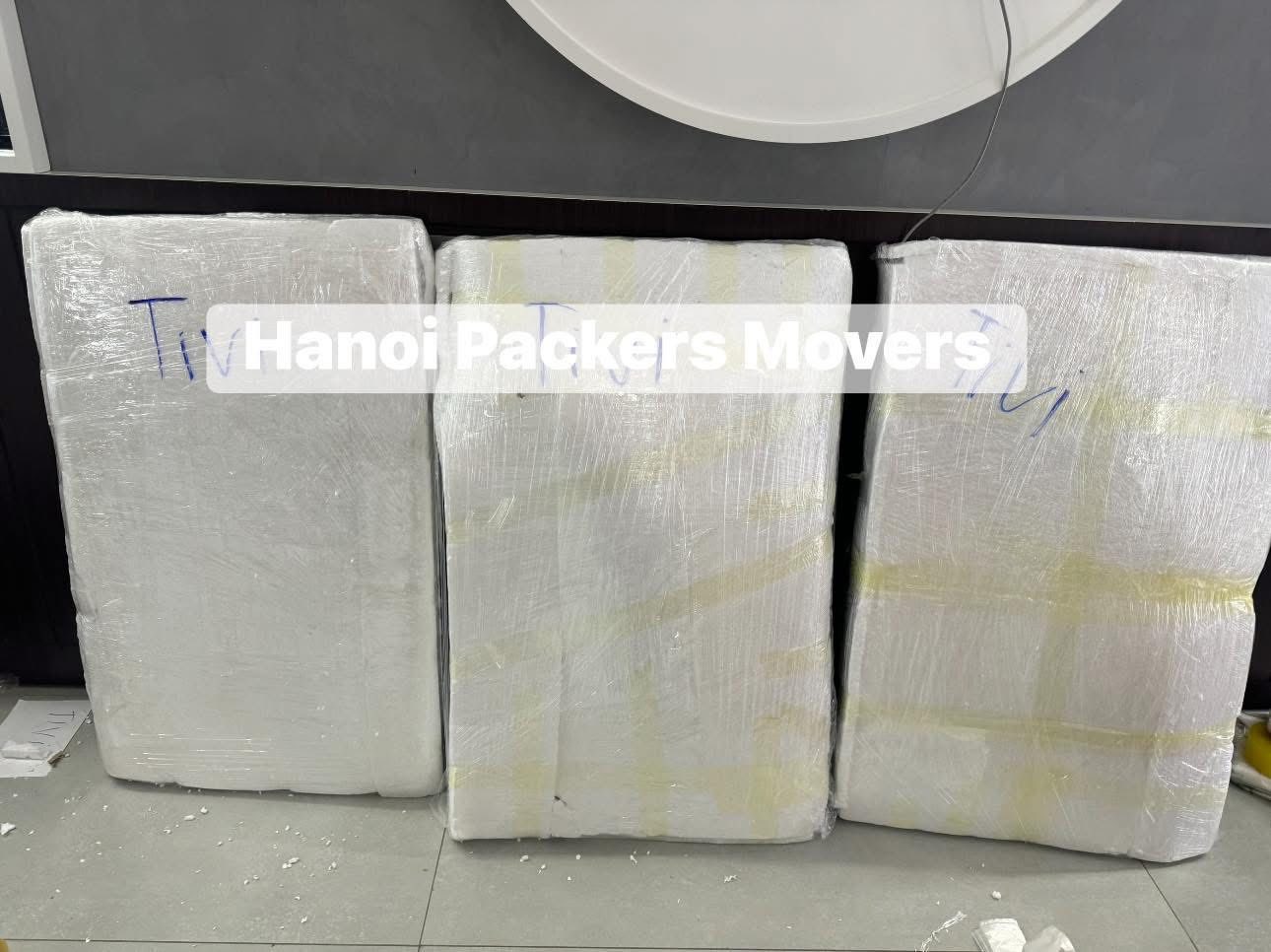
For long-distance furniture moving, cardboard sheets can protect the main body, surfaces, edges, corners and legs of the furniture.
Strong Moving Boxes
Use strong, clean and undamaged cartons for fragile household items.
Do not overload boxes with heavy objects, as this can make them difficult to carry and increase the risk of damage.
How to Pack Plates, Bowls and Dishes
Plates and dishes can crack or break when they hit each other or when the box receives an impact.
The most important rule is:
Do not allow dishes to move freely inside the box.
How to Pack Dishes for a Local Move
Step 1: Prepare the box
Place a layer of crumpled packing paper at the bottom of the box.
Step 2: Wrap each plate individually
Wrap every plate or bowl with packing paper.
Do not place unwrapped plates directly against each other.
Step 3: Place plates vertically
Place plates on their edges rather than creating one large horizontal stack.
Step 4: Fill empty spaces
Use crumpled packing paper to fill gaps around and between the dishes.
The dishes should not move freely inside the box.
Step 5: Protect the top
Add another layer of crumpled packing paper before closing the box.
Label the box:
FRAGILE – KITCHENWARE
How to Pack Dishes for Long-Distance Moving
For interprovincial transportation, add stronger protection.
A practical method is:
Packing paper → bubble wrap → foam/cardboard protection → strong carton
For particularly fragile or valuable dishes, additional cushioning may be necessary.
How to Pack Cups, Glasses and Wine Glasses
Glasses are especially fragile because their walls, handles and stems can break easily.
Each glass should be wrapped separately.
How to Pack Glasses for a Local Move
Use:
Packing paper + cushioning + strong carton
Make sure the glasses do not touch each other directly.
For wine glasses, pay special attention to the stem and base.
How to Pack Glasses for Long-Distance Moving
Use additional protection:
Packing paper → bubble wrap → foam protection → strong carton
Thick cardboard dividers can also be used to keep individual glasses separated.
Do not overload the box.
Before sealing it, gently move the box. If you hear the glasses moving inside, add more cushioning.
How to Pack a Coffee Machine for Moving
Coffee machines contain electrical components and may have removable water tanks, trays and glass carafes.
Preparing a Coffee Machine Before Packing
Before packing:
- Empty the water tank.
- Remove coffee grounds or capsules.
- Clean and dry the machine.
- Remove the glass carafe.
- Remove detachable parts.
- Secure the power cable.
- Pack small accessories separately.
Packing a Coffee Machine for a Local Move
Wrap the coffee machine with suitable protective material and place it securely in a strong box.
The glass carafe should be wrapped separately.
Packing a Coffee Machine for Long-Distance Moving
Use additional protection such as:
Bubble wrap + foam sheets + thick cardboard
Pay particular attention to:
- Corners
- Controls
- Glass components
- Removable parts
- Water tanks
If the original manufacturer packaging is available and still in good condition, it can be an excellent option.
How to Pack a Vacuum Cleaner for Moving
Vacuum cleaners are generally more durable than glassware, but they can still be scratched or damaged during moving.
Preparing a Vacuum Cleaner for Moving
Before packing:
- Empty the dust container or bag.
- Clean the machine.
- Remove detachable accessories.
- Secure the power cable.
- Separate long tubes if necessary.
Packing a Vacuum Cleaner for a Local Move
A moving blanket can be used to protect the vacuum cleaner from scratches and contact with other belongings.
Packing a Vacuum Cleaner for Long-Distance Moving
Use bubble wrap or foam around vulnerable areas and add thick cardboard protection where appropriate.
Keep accessories together in a clearly labeled bag or box.
How to Pack a TV for Moving
A television needs special care because the screen can be damaged by pressure or impact.
How to Protect a TV for a Local Move
Before moving the TV:
- Disconnect all cables.
- Protect the screen with a clean, soft protective layer.
- Protect the corners.
- Wrap the television with a moving blanket.
- Secure the TV properly during transportation.
If the original TV box is available, use it whenever possible.
How to Pack a TV for Long-Distance Moving
Use stronger protection:
Screen protection → foam → bubble wrap → thick cardboard
The cardboard provides a rigid protective layer around the TV.
Pay particular attention to the corners.
Keep the TV upright whenever possible and secure it so that it cannot slide, fall or be pressed by heavy objects.
Never place heavy boxes on top of a television.
How to Pack a Refrigerator for Moving
A refrigerator needs to be properly prepared before it is moved.
How to Prepare a Refrigerator Before Moving
Before moving:
- Remove all food.
- Empty the freezer.
- Defrost if necessary.
- Remove or secure shelves and drawers.
- Clean and dry the interior.
- Wrap glass shelves separately.
- Secure removable parts.
- Secure the doors.
- Disconnect the appliance properly.
Always follow the manufacturer’s instructions for preparing and transporting your refrigerator.
How to Protect a Refrigerator for a Local Move
A moving blanket can protect the refrigerator from scratches and minor impacts during carrying and transportation.
The refrigerator should also be secured properly in the moving vehicle.
How to Prepare a Refrigerator for Long-Distance Moving
For longer transportation, protect the exterior with suitable protective materials.
Bubble wrap, foam and thick cardboard can be used around vulnerable areas where appropriate.
The most important point is to keep the refrigerator stable and properly secured during transportation.
Always follow the manufacturer’s instructions regarding the correct transportation position and when the refrigerator can be switched on again after moving.
How to Pack a Washing Machine for Moving
Washing machines are heavy appliances and need careful preparation.
How to Prepare a Washing Machine Before Moving
Before moving:
- Disconnect the power.
- Turn off the water supply.
- Disconnect the water hoses.
- Drain remaining water.
- Secure the hoses and power cable.
- Use transit bolts if recommended by the manufacturer.
How to Protect a Washing Machine for a Local Move
Use a moving blanket to protect the exterior, corners and control panel from scratches and minor impacts.
The washing machine should then be secured properly for transportation.
How to Pack a Washing Machine for Long-Distance Moving
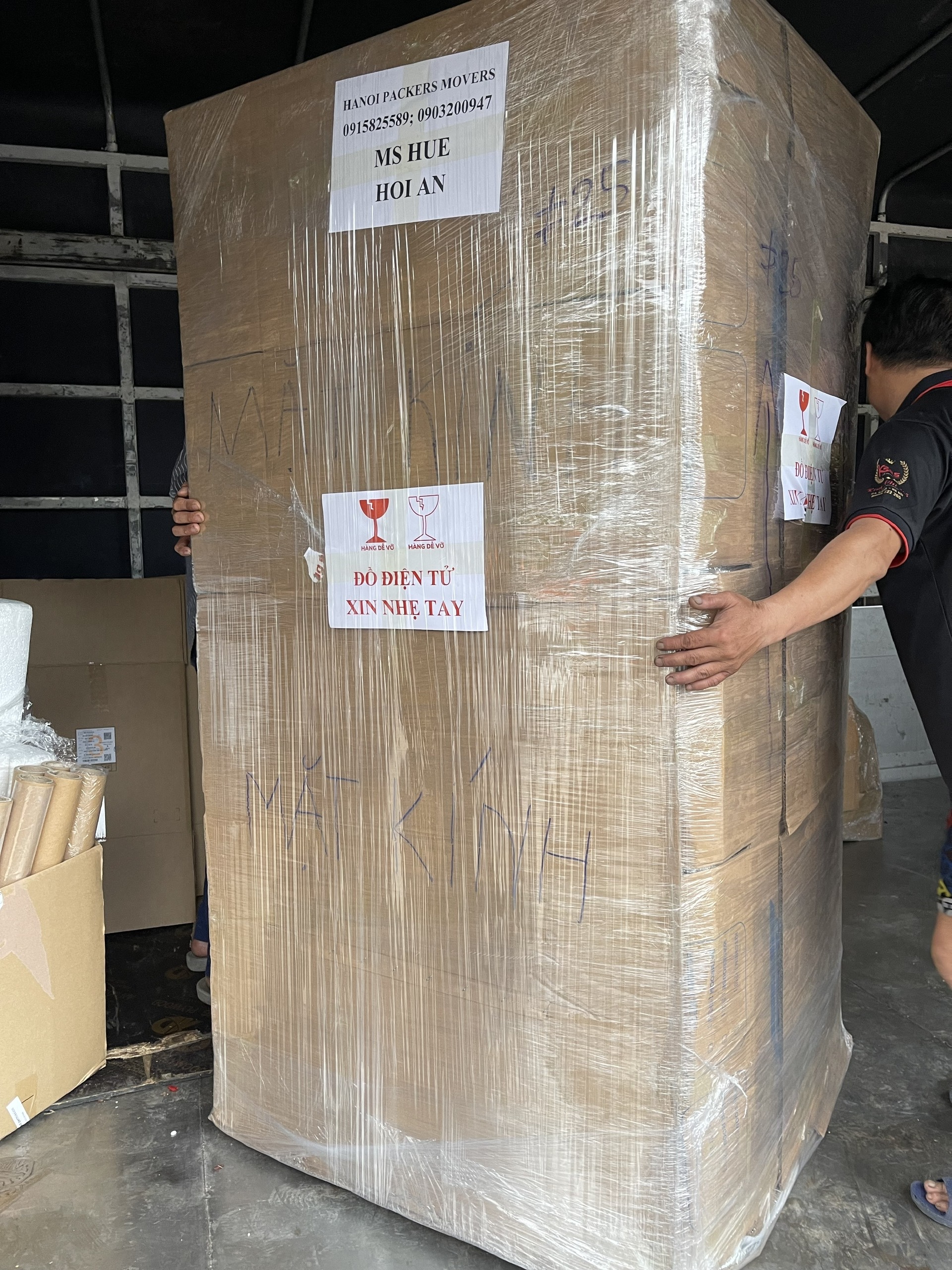
For an interprovincial move, add stronger external protection such as bubble wrap, foam and thick cardboard where appropriate.
Because a washing machine is heavy, proper positioning and securing are just as important as the protective wrapping.

How to Pack Furniture for Moving
Furniture requires a different packing method from fragile kitchenware.
Common household furniture includes:
- Sofas
- Tables
- Chairs
- Beds
- Wardrobes
- Cabinets
- Bookshelves
- Desks
Whenever possible, large furniture should be dismantled before transportation.
Remove detachable:
- Legs
- Shelves
- Drawers
- Handles
- Other removable parts
Put screws, bolts and small hardware in labeled bags.
How to Protect Furniture During a Local Move
For a local city move, moving blankets are particularly useful for protecting furniture.
Wrap and protect:
- Table tops
- Wardrobes
- Cabinets
- Sofa frames
- Wooden surfaces
- Beds
Pay special attention to:
- Corners
- Edges
- Handles
- Legs
- Polished surfaces
The moving blanket acts as a soft protective layer during carrying, loading, transportation and unloading.
How to Protect Furniture During Long-Distance Moving
Furniture needs stronger surface protection when it travels between cities or provinces.
For long-distance transportation, thick cardboard sheets are used to protect the furniture, including the main surfaces, edges, corners and legs.
A practical method is:
Protect vulnerable surfaces → add foam or bubble wrap where necessary → cover with thick cardboard sheets → secure the protection
The cardboard should cover as much of the exposed furniture as practical.
How to Protect Furniture Legs During Moving
Furniture legs are often overlooked during packing.
The legs of:
- Tables
- Chairs
- Beds
- Cabinets
- Sofas
can be scratched or chipped during loading and unloading.
For long-distance transportation, protect the legs with cardboard sheets as part of the overall furniture wrapping.
This creates a more complete protective layer around the furniture and helps reduce:
- Scratches
- Friction
- Impact damage
- Chipped edges
- Contact with other furniture or cargo
How to Pack Mirrors for Moving
Mirrors are fragile because the glass can crack from impact or pressure.
How to Protect a Mirror for a Local Move
Protect the mirror with:
- A soft protective layer
- Corner protection
- A moving blanket
Secure the wrapping carefully so that it cannot slide off during handling.
How to Pack a Mirror for Long-Distance Moving
Use stronger protection:
Bubble wrap → foam sheets → thick cardboard
Protect all four corners.
Whenever possible, use rigid cardboard on both sides of the mirror.
Large mirrors should be transported upright and securely positioned so that they cannot slide or fall.
How to Pack Pictures and Artwork for Moving
Pictures and artwork may contain fragile glass, frames or valuable surfaces.
How to Protect Artwork for a Local Move
Wrap the artwork carefully and use a moving blanket to protect the frame and surface.
Protect the corners, especially when carrying large framed pictures through doors, elevators and stairways.
How to Pack Artwork for Long-Distance Moving
Use additional protection:
Bubble wrap → foam sheets → thick cardboard
The cardboard helps protect the artwork from pressure, friction and accidental impact.
For particularly valuable artwork, custom crating or specialist packing may be more appropriate.
Clearly label the package:
FRAGILE – ARTWORK
How to Pack Other Fragile Household Items
The same principles can be used for other fragile belongings such as:
- Vases
- Ceramic decorations
- Glass ornaments
- Lamps
- Small sculptures
- Porcelain
- Glass shelves
- Decorative objects
For a local move, use packing paper, cushioning and suitable cartons.
For long-distance transportation, add bubble wrap, foam and thick cardboard according to the fragility of the item.
Do not place heavy objects on top of fragile belongings.
Local vs. Long-Distance Moving Packing Guide
The following guide summarizes the main difference between the two packing methods.
| Item | Local City Move | Long-Distance / Interprovincial Move |
|---|---|---|
| Plates and bowls | Packing paper + carton | Packing paper + bubble wrap + foam/cardboard |
| Glasses | Packing paper + carton | Packing paper + bubble wrap + foam/cardboard |
| Coffee machine | Protective wrap + carton | Bubble wrap + foam + cardboard |
| Vacuum cleaner | Moving blanket | Bubble wrap/foam + cardboard where needed |
| TV | Moving blanket + corner protection | Foam + bubble wrap + thick cardboard |
| Refrigerator | Moving blanket | Protective wrapping + cardboard where appropriate |
| Washing machine | Moving blanket | Bubble wrap/foam + cardboard where appropriate |
| Furniture | Moving blanket | Thick cardboard sheets over body, edges, corners and legs |
| Mirror | Moving blanket + corner protection | Bubble wrap + foam + thick cardboard |
| Artwork | Protective wrap + moving blanket | Bubble wrap + foam + thick cardboard |
This is a practical guide rather than a rigid formula. The packing method should always be adjusted according to the item’s size, material, condition and value.
Common Packing Mistakes to Avoid
Even good packing materials cannot protect belongings if they are used incorrectly.
Leaving Empty Space in Moving Boxes
Empty space allows fragile items to move and hit the sides of the box.
Fill gaps with suitable cushioning.
Putting Fragile Items Directly Against Each Other
Wrap and separate fragile items properly.
Making Boxes Too Heavy
Heavy boxes are harder to carry and have a greater risk of being dropped.
Using Weak or Damaged Cartons
Use strong, dry and undamaged boxes for valuable and fragile belongings.
Forgetting Corners and Edges
Corners and edges are vulnerable on furniture, TVs, mirrors and artwork.
Forgetting Furniture Legs
Furniture legs can easily be scratched during loading and unloading.
For long-distance moving, protect them with cardboard sheets.
Not Preparing Appliances Properly
Refrigerators and washing machines need to be emptied, disconnected and prepared before transportation.
Not Securing Large Items During Transportation
Good wrapping is not enough if furniture or appliances can move inside the truck.
Secure large items properly before transportation.
Using the Same Packing Method for Every Move
A local city move and an interprovincial move have different transportation risks.
Choose the level of protection according to the distance and the item.
A Simple Packing Method for Any Household Item
If you are not sure how to pack something, ask four questions.
Identify the Most Fragile Parts
Identify glass, screens, corners, controls, polished surfaces or other vulnerable areas.
Protect Surfaces from Scratches
Protect the surface before adding harder protective materials.
Add Cushioning Against Impact
Add cushioning where the item may experience impact.
Prevent Movement During Transportation
Make sure the item cannot slide, fall or collide with other belongings.
This simple method can help you decide how much protection an item actually needs.
Final Packing Checklist for Moving
Before moving day, check every room.
Kitchen and Fragile Items
- Plates wrapped individually
- Bowls wrapped
- Glasses protected
- Ceramic items cushioned
- Fragile boxes labeled
- Empty spaces filled
Electronics
- Cables disconnected
- Accessories labeled
- Screens protected
- Small components packed separately
Refrigerator
- Food removed
- Freezer emptied
- Interior cleaned and dried
- Shelves removed or secured
- Doors secured
- Exterior protected
Washing Machine
- Water supply disconnected
- Remaining water drained
- Hoses secured
- Power cable secured
- Transit protection installed if required
Furniture
- Large furniture dismantled where appropriate
- Screws and hardware labeled
- Corners protected
- Edges protected
- Furniture legs protected for long-distance moving
- Surfaces covered
- Drawers and doors secured
Mirrors and Artwork
- Glass protected
- Four corners protected
- Cardboard protection added for long-distance moving
- Fragile labels added
- Large glass items prepared for upright transportation
When Should You Hire Professional Packing Services?
DIY packing can work well when you have enough time and only need to move ordinary household belongings.
Professional packing may be a better option when you have:
- A large number of fragile items
- Expensive electronics
- Large mirrors
- Valuable artwork
- Heavy furniture
- Large appliances
- Difficult-to-dismantle furniture
- A long-distance or interprovincial move
- Limited time before moving day
A professional moving team can bring suitable packing materials, manpower and equipment and organize the packing according to the type of item and transportation distance.
For local city moves, moving blankets are particularly useful for furniture and large household items.
For long-distance moves, fragile items and furniture require additional protection with bubble wrap, foam sheets and thick cardboard where appropriate.
Conclusion: Pack According to the Item and the Distance
Packing for a house move does not mean using the same material for everything.
The best approach is to match the packing method to the item and the distance it needs to travel.
For a local city move, packing paper is practical for fragile household items, while moving blankets are particularly useful for furniture and large household belongings.
For a long-distance or interprovincial move, fragile items need stronger layered protection using bubble wrap, foam sheets and thick cardboard.
Furniture also needs additional protection. Thick cardboard sheets can be used to protect the main body, surfaces, edges, corners and legs of furniture during long-distance transportation.
The basic principle is simple:
Local move: protect against scratches, minor impacts and handling.
Long-distance move: add stronger protection against impact, vibration, friction and movement during transportation.
If you are unsure how to pack a large appliance, fragile item, mirror, artwork or furniture, professional packing and moving services can help you choose the right materials and handling method.
Learn more about Hanoi Packers Movers and packing moving service for household packing, furniture moving and long-distance relocation services.
Frequently Asked Questions About Packing for Moving
What Is the Best Way to Pack Fragile Items for Moving?
For a local move, wrap fragile items individually with packing paper and place them in strong cartons with enough cushioning. For long-distance moving, add bubble wrap, foam and thick cardboard protection where appropriate.
How Should I Pack Dishes When Moving?
Wrap each plate and bowl individually with packing paper. Place plates vertically in a strong box and fill empty spaces so the dishes cannot move during transportation.
How Should I Pack Glasses for a Move?
Wrap each glass individually and separate them with suitable cushioning. For long-distance transportation, add bubble wrap, foam and stronger cardboard protection.
Should I Use Moving Blankets for Long-Distance Moving?
Moving blankets are particularly useful for protecting furniture and large household items during local city moves. For long-distance transportation, stronger layered protection such as bubble wrap, foam and thick cardboard is generally more suitable for fragile items and furniture surfaces.
How Should I Pack a TV for Moving?
Protect the screen and corners carefully. For a local move, a moving blanket can protect the TV from scratches and minor impacts. For long-distance transportation, use foam, bubble wrap and thick cardboard and keep the TV securely positioned.
How Should I Pack a Refrigerator for Moving?
Empty and clean the refrigerator, remove or secure removable components, protect the exterior and secure the appliance during transportation. Always follow the manufacturer’s instructions for transportation and restarting the refrigerator after the move.
How Should I Protect Furniture During a Move?
For a local move, moving blankets are particularly useful for protecting furniture. For long-distance moving, thick cardboard sheets can protect the main body, surfaces, edges, corners and legs.
How Should I Pack Furniture for Long-Distance Moving?
Use thick cardboard sheets to protect the furniture’s main body, surfaces, edges, corners and legs. Foam or bubble wrap can be added to vulnerable areas where necessary. Secure the furniture properly so it cannot move during transportation.
Can I Pack My Entire House Myself?
Yes. Many household items can be packed yourself if you have enough time and suitable materials. However, large appliances, heavy furniture, large mirrors, valuable artwork and expensive electronics may require professional packing and handling.
What Is the Biggest Packing Mistake When Moving?
One common mistake is using the same packing method for every item and every distance. Fragile items, furniture and appliances have different protection requirements, and long-distance transportation generally requires stronger protection than a short city move